Electrical Safety Inspection Checklist: What Every Homeowner Should Know
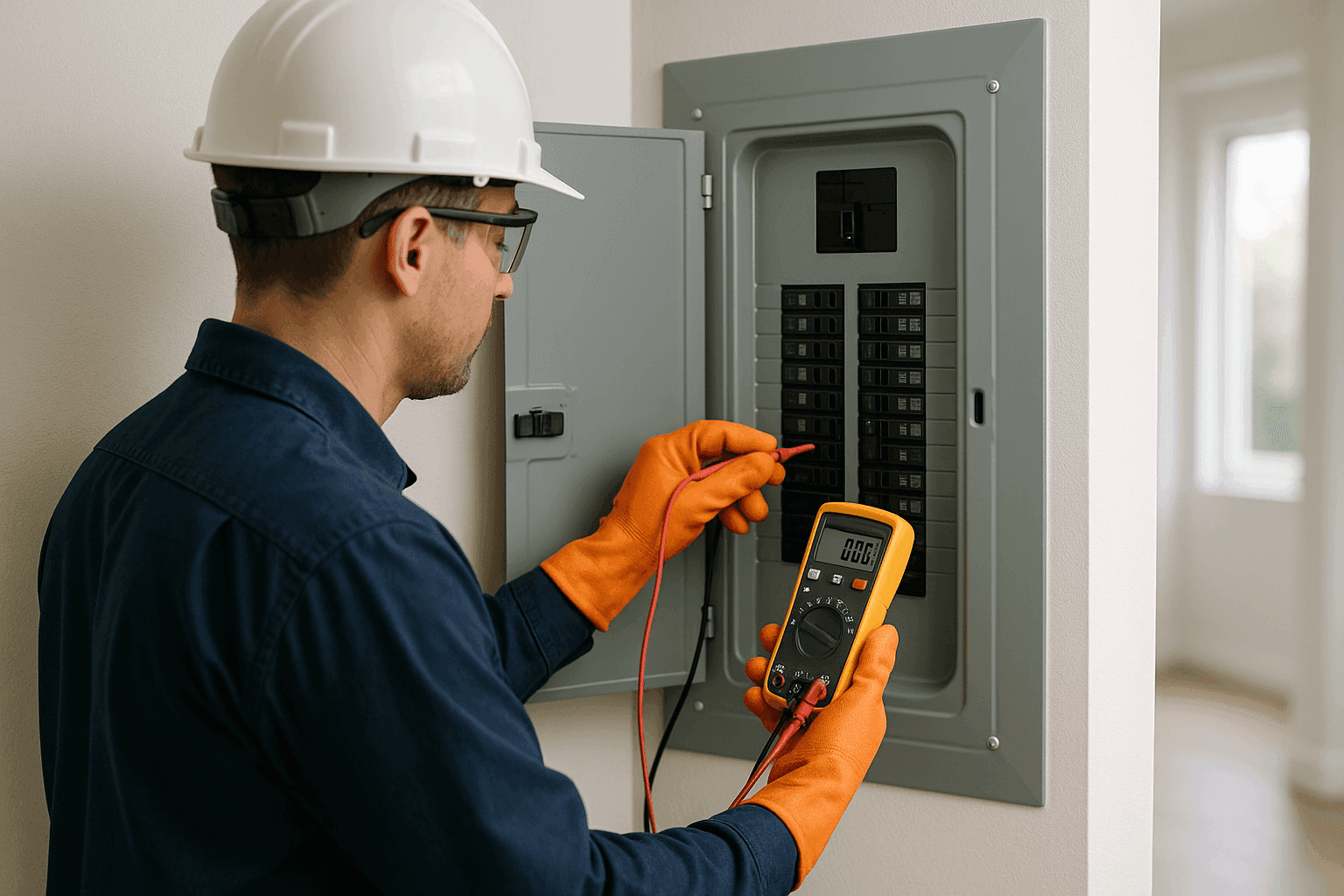
Your home should be your safe place. But hidden behind your walls, electrical issues can simmer like a forgotten kettle—silent, until they boil over. At O'Connor's Electrical, we know how quickly a small spark can become a big risk.
Whether you’re worried about old wiring, flickering lights, or just want peace of mind, a safety inspection is a smart investment. Let’s walk through what really matters, what you can do yourself, and how to stay ahead of electrical hazards.
Why Regular Safety Inspections Matter ⚡
Electrical problems are one of the leading causes of house fires in Australia and worldwide (see Fire & Rescue NSW and National Fire Protection Association guidance). Regular inspections aren’t just a box to tick—they’re a shield for your home and family.
- Reduce Fire Risk: Faulty wiring, overloaded circuits, and worn-out outlets are like dry tinder. Routine checks catch these before they ignite.
- Meet Current Codes: Electrical codes change as technology and safety standards evolve. Inspections ensure your system keeps up.
- Insurance Requirements: Many insurers ask for up-to-date inspection certificates—especially if your home is older or you’re making a claim.
- Protect Your Investments: New appliances, renovations, or a home sale? Inspections safeguard your property value.
- Peace of Mind: Sleep better knowing your home’s electrical system is healthy and safe.
What’s Included in a Professional Inspection
A professional inspection from O'Connor's Electrical is more than a quick walk-through. Our certified team checks every layer of your electrical system, using specialized tools and sharp eyes.
Here’s what’s covered:
- Panels & Breakers: Inspect for corrosion, overheating, loose connections, and correct labeling.
- Outlets & Switches: Test for heat, wear, proper wiring, and correct function.
- Wiring Condition: Look for signs of age, damage, rodent activity, or DIY “fixes” gone wrong.
- Smoke & Carbon Monoxide Detectors: Confirm operation, battery life, and placement.
- Ground Fault Circuit Interrupters (GFCIs): Essential for kitchens, bathrooms, and outdoor outlets. Test for instant shut-off.
- Surge Protection: Check if whole-house or point-of-use surge protection is in place.
- Lighting & Fixtures: Assess for heat, flickering, and safe installation.
- Backup Generators & Emergency Systems: Verify readiness and safe integration.
- Pool, Spa & Outdoor Power: Ensure safe wiring and weatherproofing.
- Phone, Data, & Internet Cabling: Inspect for safe routing and no interference with power wiring.
- Safety Certificates: Issue relevant documentation for compliance or insurance.
We don’t just flag issues—we explain them, so you can make informed decisions.
DIY Pre-Inspection Checklist
Some things you can check safely before the electrician arrives. Think of it as clearing the path before the real hike begins:
- Test GFCI Outlets: Press the “test” and “reset” buttons. If they don’t trip and reset, note the location.
- Look for Visible Wear: Scan cords, plugs, and outlets for scorch marks, cracks, or fraying.
- Check Circuit Labels: Open your panel (if safe). Are all breakers clearly labeled? Note any confusion.
- Test Detectors: Press the “test” button on smoke and CO alarms. Replace batteries if needed.
- Notice Flickers or Outages: Jot down areas where lights dim, flicker, or outlets feel warm.
- Listen for Buzzing: Odd sounds from switches or panels? Write them down.
Important: Never open wiring, remove panel covers, or try to fix issues yourself. Leave those for the pros.
How to Prepare for an Inspection 📝
Getting ready for an inspection doesn’t need to be stressful. A little preparation helps your emergency electrician work efficiently and spot issues fast.
- Clear Access: Move furniture away from outlets, panels, and any areas the electrician needs to reach.
- List Known Problems: Write down any electrical “quirks” you’ve noticed—no detail is too small.
- Gather Documents: Have your last inspection report (if any), renovation permits, and appliance manuals handy.
- Secure Pets: Keep furry friends away from work areas.
- Plan Your Day: You may need to turn off power briefly. Plan for it, especially if you work from home.
The more open the path, the smoother the inspection.
When to Schedule Inspections
Timing matters. Here’s when it’s smart to book a safety check:
- Buying or Selling a Home: Don’t let hidden electrical issues derail your plans.
- After Major Renovations: Any time you add new wiring, outlets, or appliances.
- Annually for Older Homes: If your home is over 25 years old, yearly checks are wise.
- After Storms or Flooding: Water can quietly damage wiring and safety devices.
- If You Notice Problems: Flickering lights, tripped breakers, or buzzing outlets? Don’t wait.
- Before Installing High-Load Devices: Planning for an EV charger or pool? Check you’re ready.
A professional, unbiased inspection by a certified emergency electrician keeps you out of the dark.
Practical Tips for Homeowners
- Don’t Ignore Small Problems: A single warm outlet can be the tip of the iceberg.
- Replace Old Detectors: Smoke and CO alarms should be swapped out every 10 years, per manufacturer and Fire & Rescue NSW advice.
- Surge Protection Near You: Ask about options to shield your entire home from power spikes.
- Label Every Circuit: Clear labels help during emergencies or quick repairs.
- Stay Informed: Review Australian Standards (AS/NZS 3000) or your local guidelines for the latest rules.
Frequently Asked Questions
How long does a home electrical safety inspection take?
Most inspections take 1–3 hours, depending on the size and age of your home. Larger or older homes may take longer.
Will the power be off during the inspection?
Not for the whole visit. Your electrician may need to cut power briefly when checking certain circuits or replacing devices.
What if the inspection finds problems?
You’ll get a full report—plain English, no jargon. We’ll explain any issues, potential risks, and what steps you might consider.
Can I do my own electrical inspection?
You can check for visible issues, but only a certified electrician should open panels, test wiring, or issue certificates.
Local and Seasonal Considerations 🌦
In Australia, summer storms and winter cold can stress your electrical system. Heavy rains may expose wiring issues, while extra heating and appliances in winter can overload old circuits. If you live in a bushfire-prone area, electrical faults can be especially dangerous. Schedule inspections before the storm or fire season for extra peace of mind.
Pool and spa wiring also needs special attention—especially before summer.
The Value of Routine Checkups
Electrical safety inspections are like an annual checkup for your home’s heart and nerves. Problems don’t announce themselves, but the consequences of ignoring them can be costly—or worse.
At O'Connor's Electrical, our certified inspectors bring an unbiased, safety-first approach. You get clear answers and practical steps, not scare tactics.
Ready to take the next step?
Call O'Connor's Electrical now — or reach us anytime at 844-484-2612 .