Top 10 Signs Your Home Needs Electrical Rewiring
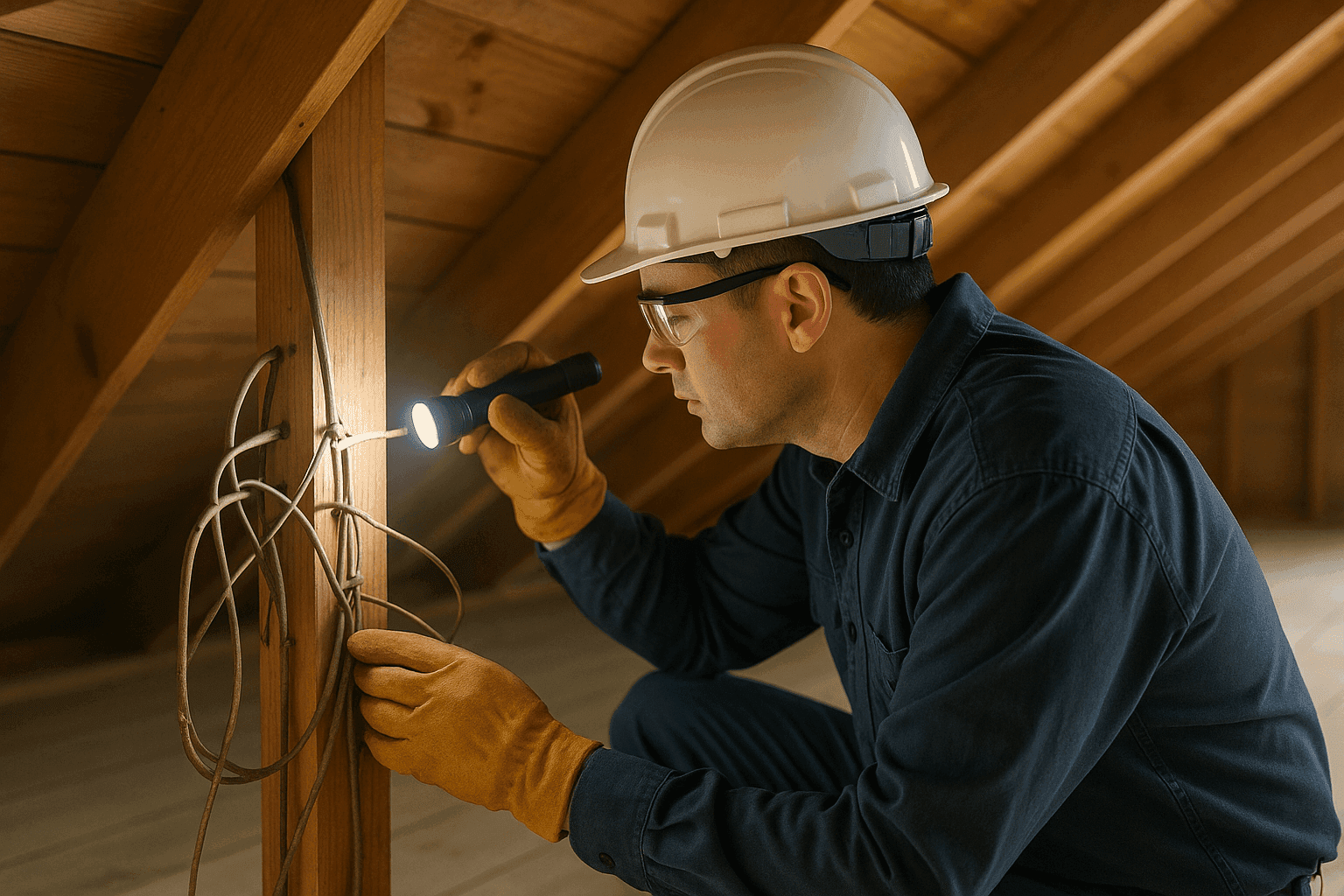
Is your home trying to tell you something? Most electrical systems don't shout for help—they whisper. A flicker here, a warm outlet there. But these small hints can hide big risks.
At O'Connor's Electrical, we've seen firsthand how hidden wiring issues can become emergencies overnight. Our licensed team answers calls 24/7 because a safe home can't wait. If you’re not sure your wiring is up to scratch, you’re not alone—and you’re right to be concerned.
Why Proper Wiring Matters ⚡
Imagine your home’s wiring as the veins and arteries of your house. When they’re healthy, power flows safely to every corner. But faulty wiring? That’s a ticking clock. Here’s why you can’t afford to ignore it:
- Fire Risk: According to the U.S. Fire Administration, faulty wiring is a major cause of residential fires. Old or damaged wires can spark, overheat, and ignite surrounding materials—sometimes without any warning.
- Insurance Implications: Many insurers require updated wiring for full coverage. Outdated or unsafe systems may void your policy or lead to denied claims if the worst happens.
- Modern Load: Today’s homes run on more electricity than ever. From EV chargers to high-wattage appliances, old wiring often can’t keep up. Overloaded circuits mean real danger.
If your wiring is past its prime, it’s not just an inconvenience—it could put your family and belongings at risk.
Top 10 Warning Signs Your Home Needs Rewiring
Not sure what to look for? These are the most common red flags our emergency electricians encounter in homes:
1. Flickering or Dimming Lights
If your lights dance or fade when you use appliances, your wiring may be straining under the load. It’s like your home is gasping for breath.
2. Frequent Breaker Trips
Breakers are meant to protect, not annoy. If you’re constantly flipping breakers or replacing fuses, there’s likely a deeper problem.
3. Burning Smells
Any persistent burning or smoky odor, especially near outlets or switches, is a five-alarm warning—turn off power and call for help immediately.
4. Discolored or Scorched Outlets
Brown, black, or melted marks around outlets or switches are signs of overheating. Don’t ignore them.
5. Outdated Wiring Materials (Knob-and-Tube, Aluminum)
If your home has knob-and-tube or aluminum wiring, it’s time for a checkup. These older materials are now known fire hazards and are no longer up to code.
6. Warm or Hot Switches and Outlets
Outlets and switches should never feel warm to the touch. Heat means excessive resistance—often from loose or corroded wires.
7. Buzzing or Crackling Sounds
Electricity should be quiet. Any buzzing, crackling, or sizzling noises from walls, switches, or outlets need attention.
8. Frayed or Visible Wires
Wires peeking from walls, or with cracked insulation, are an open invitation for shocks and fires.
9. Signs of Rodent Damage
Rodents love chewing insulation. If you spot gnaw marks or droppings near wiring, get a professional inspection fast.
10. Age Over 40 Years
If your home’s wiring is more than 40 years old, it likely wasn’t designed for today’s electrical demands. Even if you haven’t noticed issues, it’s time for a safety inspection.
What to Do If You Notice These Signs
Spotted one (or more) of these red flags? Here’s how to put safety first:
- Turn Off Power: For any burning smell, visible sparks, or heat, shut off the affected circuit or the main breaker.
- Don’t DIY: Electrical repairs are not a weekend project. Leave diagnosis and repairs to a licensed emergency electrician.
- Document What You See: Take photos of any damage or concerning signs. This helps your electrician pinpoint the issue faster.
- Call for Help: Don’t wait for a minor issue to become a disaster. Reach out to a qualified team like O'Connor's Electrical, available 24/7 for urgent needs.
Remember: When in doubt, always put personal safety first over convenience.
The Rewiring Process: What to Expect
Worried rewiring will turn your life upside down? Here’s how a typical professional job unfolds:
- Comprehensive Assessment: A licensed electrician inspects your entire electrical system, checking for code compliance and safety hazards.
- Clear Plan: You’ll get a breakdown of what needs replacing, what can be salvaged, and how long it will take.
- Safe Removals: Old wires, outlets, and panels are carefully removed—often in stages to keep essential circuits live when possible.
- Installation: New wiring, outlets, and safety devices (like AFCI and GFCI) are installed to current standards (referencing the National Electrical Code).
- Testing & Inspection: Every circuit is tested, and a certified inspection ensures your home is safe and up to code.
- Cleanup & Handover: No mess left behind. You get peace of mind, knowing your home is protected for years to come.
At O'Connor's Electrical, every rewiring job meets strict Australian/New Zealand and North American safety standards, depending on your region. We’re fully licensed and always provide proper documentation.
Practical Tips for Homeowners
- Schedule Regular Safety Inspections: Especially if your home is older, a yearly checkup can catch problems early.
- Don’t Overload Circuits: Spread out high-wattage appliances and avoid “daisy-chaining” power strips.
- Keep an Eye on Outlets: Test GFCI and AFCI outlets monthly. Replace any that don’t trip as expected.
- Beware of DIY Temptations: Even simple-looking repairs can mask deeper issues. Leave it to the pros.
For more electrical safety tips, organizations like the Electrical Safety Foundation International (ESFI) and your local building authority offer up-to-date guidance.
Frequently Asked Questions
How long does rewiring take?
Most homes can be rewired in several days to two weeks, depending on size and complexity. You’ll get a clear timeline after a professional assessment.
Will rewiring damage my walls or décor?
Minimal disruption is our goal. Some wall access is necessary, but skilled electricians use the least invasive methods possible and patch up after.
Is rewiring a good time to upgrade outlets or add features?
Absolutely. Consider adding surge protection near you, USB outlets, or smart switches while the walls are open.
Do I need to move out during rewiring?
Not always. Many families stay home during the process, though partial power loss is common. Your electrician will explain options.
When It’s an Emergency
If you see sparks, smell burning, or lose power suddenly, don’t wait. These are emergencies. Turn off power if safely possible, get everyone out if needed, and call a 24/7 emergency electrician right away. Lives and property can depend on your quick action.
Local and Seasonal Considerations
Older homes in areas with harsh winters or wet climates may face extra risks. Moisture and temperature swings can accelerate wiring deterioration. Recent storms or flooding can also damage electrical systems—if you’ve had any, book a safety check even if everything seems fine.
Your Home Deserves Safe, Modern Wiring
Don’t let hidden hazards put you or your loved ones in danger. The right team can make your home safer, more reliable, and ready for anything the modern world throws at it.
Call O'Connor's Electrical now — or reach us anytime at 844-484-2612 .