Choosing a Qualified Electrician: What Every Homeowner Should Ask
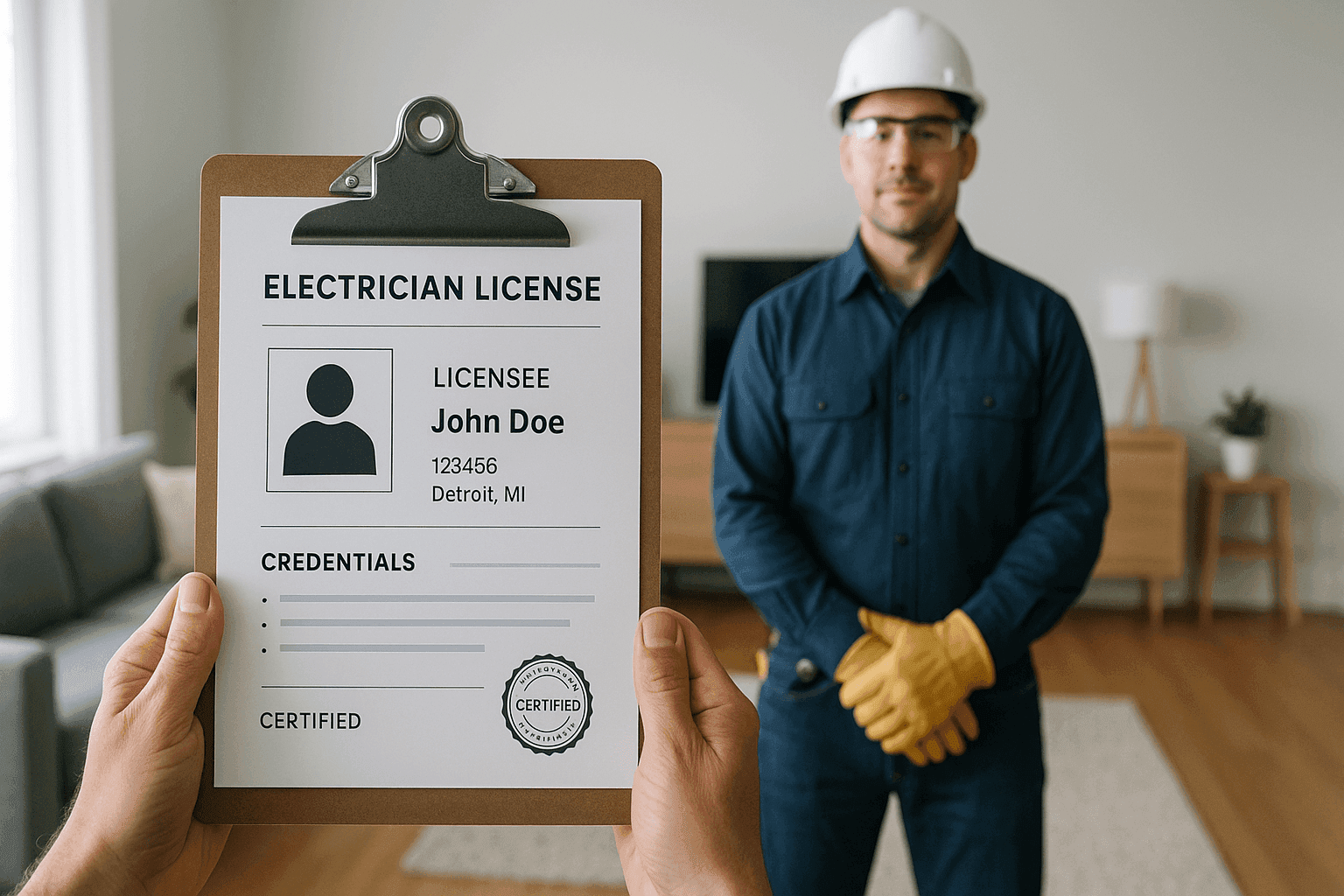
When the lights flicker, a breaker trips, or a strange burning smell creeps from a socket, you need help—fast. But not just anyone with wire strippers and a van will do. Your home deserves more than a quick fix. It needs safe hands and a sharp mind.
At O'Connor's Electrical, we know that choosing the right emergency electrician can feel overwhelming. The stakes are high. Safety, comfort, and even your home insurance may hang in the balance. Here’s how to hire with confidence and avoid expensive missteps.
Why Credentials Matter 🗝️
Think of hiring an electrician like choosing a surgeon for your home: credentials are non-negotiable. Here’s why.
- Licensing: Every reputable electrician should hold a current license for your region. This isn’t just paperwork; it’s the baseline for safety and code compliance. Licensing boards require ongoing education, so a licensed pro is up to date on the latest standards.
- Insurance: Accidents happen, even with the best. Confirm your electrician carries both liability and workers’ compensation insurance. No insurance? That risk shifts to you.
- Certifications: Specialties like surge protection, backup generators, and machine wiring demand extra training. Certifications from recognized authorities (like the National Electrical Contractors Association or state agencies) signal a commitment to professional standards.
- Code Compliance: Electrical codes exist to protect you, your family, and your property. A qualified electrician won’t take shortcuts or ignore the National Electrical Code (NEC). Insist on code-compliant work—especially if you plan to sell or insure your home.
Practical Tip: Always ask to see physical proof—licenses, insurance certificates, and certifications. Take a photo or make a note. Any resistance here is a red flag.
Questions to Ask Before Hiring
A true professional welcomes your questions. Here’s what to ask before you let anyone touch your wiring:
- How much experience do you have with homes like mine?
Experience with older homes, high-voltage wiring, or smart home systems matters. Each job has unique wrinkles. - Can you provide recent references?
Real, verifiable references are more valuable than online reviews. Ask for at least two. Call them. - What warranties do you offer on your work or materials?
While no one can promise perfection, a solid electrician stands behind their work. - What is your process for electrical safety inspections or emergency call-outs?
Clarity here shows professionalism. - What’s your safety record?
Electricians should have a history of safe practices—ask for details or incident rates if you’re unsure.
Pro Tip: If you hear hesitation, vague answers, or “we don’t really do that,” think twice.
Red Flags to Watch For 🚩
Not every electrician who knocks on your door is worthy of your trust. Here’s what to watch for:
- Unclear Pricing: If an electrician dodges questions about costs or can’t explain their rates, beware. Clear, upfront pricing signals honesty.
- No References: “We don’t keep references” is a red flag. Legitimate businesses track satisfied clients.
- Lack of Documentation: Refusal to show licenses, insurance, or permits? Walk away.
- Pushy Sales Tactics: Pressuring you to sign now, or making wild claims (“Only I can fix this!”), usually spells trouble.
- Sketchy Contracts: Contracts protect both parties. If there’s nothing in writing, your recourse is limited.
Safety Reminder: Trust your instincts. If something feels off, it probably is.
How to Evaluate Bids
Comparing quotes can feel like comparing apples to oranges—unless you know what to look for.
- Itemized Quotes: Insist on a breakdown of labor, materials, permits, and any extra fees. No lump sums.
- Scope of Work: Make sure each bid covers the same tasks—rewiring, emergency service, surge protection, etc.
- Materials: Are they using recognized brands, or off-brand parts? Cheap parts often mean future problems.
- Timelines: Ask for realistic start and finish dates. Emergencies need speed, but quality still takes time.
- Communication: A good electrician explains every line on the quote. If you don’t understand something, ask.
Tip: The lowest bid isn’t always the best. Quality work may cost more up front but saves you headaches later.
Importance of Written Agreements 📝
Think of a contract as a seatbelt for your investment—it keeps everyone safe if something unexpected happens.
What to Include:
- Full scope of work (be specific—“rewire kitchen” vs. “electrical work”)
- Materials and brands to be used
- Start and end dates
- Payment terms and schedule
- Warranty details (labor and materials)
- Cleanup and disposal responsibility
- Permit and inspection requirements
Why It Matters:
Written agreements protect you from “he said, she said” disputes. They also help if you need to prove code compliance for insurance or future home sales.
Practical Step:
Never pay in full up front. A deposit is normal; full payment should wait until the job passes inspection.
Quick Safety Checklist for Homeowners
Before the electrician arrives—or if you’re troubleshooting yourself—keep these basics in mind:
- Never touch exposed wires or attempt repairs if you’re unsure.
- Shut off power at the breaker before inspecting outlets or switches.
- Watch for signs of trouble: flickering lights, warm outlets, burning smells.
- Don’t overload circuits with high-wattage appliances.
- Make sure smoke and carbon monoxide detectors are installed and working.
Remember, electricity is invisible but dangerous. When in doubt, call an emergency electrician.
FAQ: Choosing and Working with an Electrician
Q: How often should I schedule an electrical safety inspection?
A: The Electrical Safety Foundation International recommends every 3–5 years, or after major renovations.
Q: Should I hire a different electrician for surge protection, EV chargers, or backup generators?
A: Look for an electrician with specific experience and certifications in those areas—many are cross-trained, but always ask.
Q: What’s the difference between a journeyman and a master electrician?
A: Journeymen can perform most electrical work but masters have additional training, experience, and can supervise large jobs or pull permits.
Q: Why do emergencies cost more?
A: Emergency electrician services often require immediate response, overtime labor, and specialized equipment—especially after hours.
Local and Seasonal Considerations
Certain electrical risks are more common in different seasons. Storms can cause surges or downed lines, while winter means more heating-related load on circuits. Ask your electrician about seasonal surge protection near you, and check that backup generators or pool wiring are up to code before the next storm or summer party.
Ready to Hire with Confidence?
Choosing the right electrician is more than just picking a name from a list. It’s about protecting your home, your family, and your peace of mind. Demand credentials, ask tough questions, and never settle for half-answers or handshake deals.
If you want safe, reliable, and code-compliant service—from surge protection to rewiring, 24/7 emergencies to home automation—reach out today.
Call O'Connor's Electrical now — or reach us anytime at 844-484-2612 .