What to Do When the Power Goes Out: Homeowner’s Emergency Electrical Guide
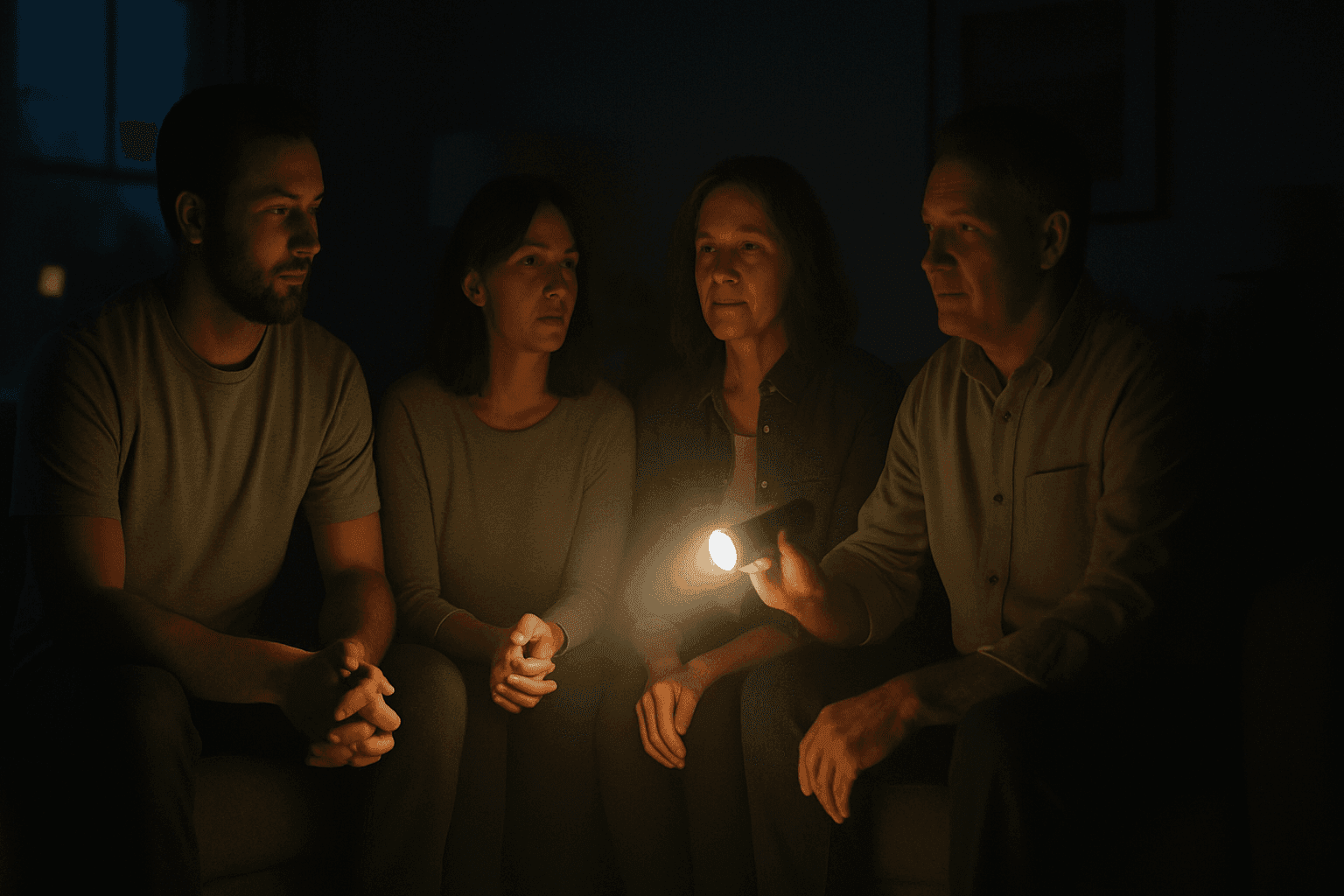
When the lights flicker and suddenly everything goes dark, panic can set in fast. Your fridge hum stops. The kids call out from the other room. Maybe you can just barely see the glow from your neighbour’s porch—or maybe the whole street is black.
Power outages are never convenient, but a cool head and the right steps can keep your family safe. At O'Connor's Electrical, we help homeowners stay prepared and protected when the unexpected happens. Here’s what you need to know when the power goes out—whether it's a quick blackout or a longer emergency.
Common Causes of Power Outages
Why do the lights go out just when you’re in the middle of dinner or a favourite show? Power outages usually sneak up on us, but they’re rarely random.
- Severe Weather: Heavy winds, lightning storms, ice, or snow can pull down lines and knock out transformers. Weather is the number one cause in many areas. 🌩️
- Grid Issues: Sometimes, the problem starts far from your home—a blown transformer, substation trouble, or scheduled maintenance by the power company.
- Overloads: If too many homes use high-powered appliances at once, the system can get overwhelmed, causing blackouts or brownouts.
- Local Faults: Tree branches, animals, or even a neighbour’s construction project might damage power lines or your own service panel.
Think of your home’s electrical system as a busy highway. Too many cars, a sudden accident, or a washed-out bridge can stop traffic for everyone.
Immediate Safety Steps
First things first: safety. When the power goes out, what you do next matters most.
- Turn Off Appliances: Unplug electronics and turn off major appliances. This helps prevent surge damage when power returns.
- Check Your Breakers: Head to your electrical panel and see if any breakers have tripped. Reset only if it’s safe and dry—never touch a wet panel.
- Leave Fridge and Freezer Closed: Food safety is crucial. Keeping doors shut helps food stay cold longer.
- Avoid Downed Power Lines: If you notice lines down outside, stay at least 10 metres away and call your utility company immediately.
- Use Flashlights, Not Candles: Candles can tip over or cause fires, especially if you’re moving around in the dark.
Stay calm. Think of yourself as the captain of a ship in a sudden fog—steady decisions keep everyone safe.
Troubleshooting Tips
Not every outage is the same. Sometimes, the problem is just in your home; other times, it’s the whole neighbourhood.
- Check Neighbourhood Lights: Are streetlights or neighbours’ houses dark too? If so, it’s likely a larger grid issue.
- Reset Breakers Safely: If you’re the only one without power, check your main electrical panel. Gently flip tripped breakers fully off and then on. If they trip again, don’t force them.
- Test Outlets: Use a simple lamp or device to test different outlets. If only part of the house is out, you may have a localized wiring issue.
- Listen and Smell: Do you hear buzzing or smell burning near your panel or outlets? This is a red flag—stop and call an emergency electrician.
- Avoid Water: Never touch electrical systems if there’s flooding or moisture. Electricity and water are a dangerous mix.
A flashlight is your best friend here. Like a lighthouse in a storm, it keeps you oriented and safe.
When to Call an Emergency Electrician
Some situations need more than DIY fixes. Here’s when it’s vital to pick up the phone:
- Sparking or Smoke: If you see sparks, smoke, or burn marks near outlets, panels, or cords, this is a fire risk.
- Burning Smells: A persistent burnt plastic or electrical smell means something is overheating or melting.
- Repeated Breaker Trips: If breakers won’t reset or trip again instantly, you could have a serious wiring fault.
- Partial Outages: If only part of your home is out, or lights are dim and flickering, hidden issues may be at play.
- After a Surge: If lightning struck nearby or you lost power in a storm, hidden damage could put your family at risk.
Don’t wait or guess. Electrical faults are like a ticking clock—fast action prevents greater danger.
Staying Safe Until Power Returns
The waiting game can be stressful, especially if the outage drags on. Here’s how to keep your household safe and comfortable:
- Generator Basics: If you have a backup generator, use it outside only—never in garages or enclosed spaces (carbon monoxide is deadly). Follow the manufacturer’s safety instructions closely.
- Avoid Electrical Hazards: Don’t try to jury-rig repairs or use extension cords across wet areas.
- Food Safety: According to FoodSafety.gov, refrigerated food stays safe for about 4 hours if doors stay closed. Frozen foods last 24–48 hours.
- Keep Warm (or Cool): Layer clothing or use blankets. In summer, stay hydrated and avoid overexertion.
- Stay Informed: Use a battery-powered radio or phone for updates from your utility company and local authorities.
Remember: electricity is powerful, but patience is protection.
How to Prepare for the Next Outage
A little planning goes a long way. Here’s what you can do:
- Install Surge Protection: Whole-home surge protection near you can keep sensitive electronics safe when power returns.
- Keep Flashlights & Batteries Handy: Store them where everyone can find them, not just in the kitchen drawer.
- Get Safety Inspections: Regular electrical safety inspections can catch hidden faults before they become emergencies.
- Consider Backup Power: Standby generators or portable units can bridge the gap in longer outages.
- Update Smoke & CO Detectors: Make sure they’re working and have fresh batteries—especially important when using any backup heat sources.
Frequently Asked Questions
How do I know if the outage is just at my house?
Check if neighbours have power. If it’s just your house, inspect your main breaker panel. If you’re unsure, call your utility provider or an emergency electrician.
Is it safe to open the fridge during a power outage?
Keep it closed as much as possible. Every peek lets cold air out and shortens how long your food stays safe.
What should I do if my generator won’t start?
Check fuel levels and the manufacturer’s instructions. Never try to fix electrical parts yourself. If problems persist, contact a professional for generator repairs.
Can I use candles during a blackout?
They’re risky, especially with pets or kids. Stick to battery-powered lights for safety.
Local and Seasonal Considerations
Storms, heatwaves, and cold snaps can all stress the power grid. In winter, ice can snap lines. In summer, air conditioner use spikes. Prepare differently for each season:
- Winter: Keep extra blankets and a battery-powered radio handy.
- Summer: Store plenty of water and know where your flashlights are.
- Storms: Trim tree branches near power lines and secure outdoor items.
Know your area’s risks and tailor your emergency kit accordingly.
Power outages can be unsettling, but you don’t have to face them alone. For urgent help, safe repairs, or advice on surge protection and backup power, O'Connor’s Electrical is ready 24/7.
Call O'Connor's Electrical now — or reach us anytime at 844-484-2612 .