How to Prepare Your Home Electrical System for Winter Storms
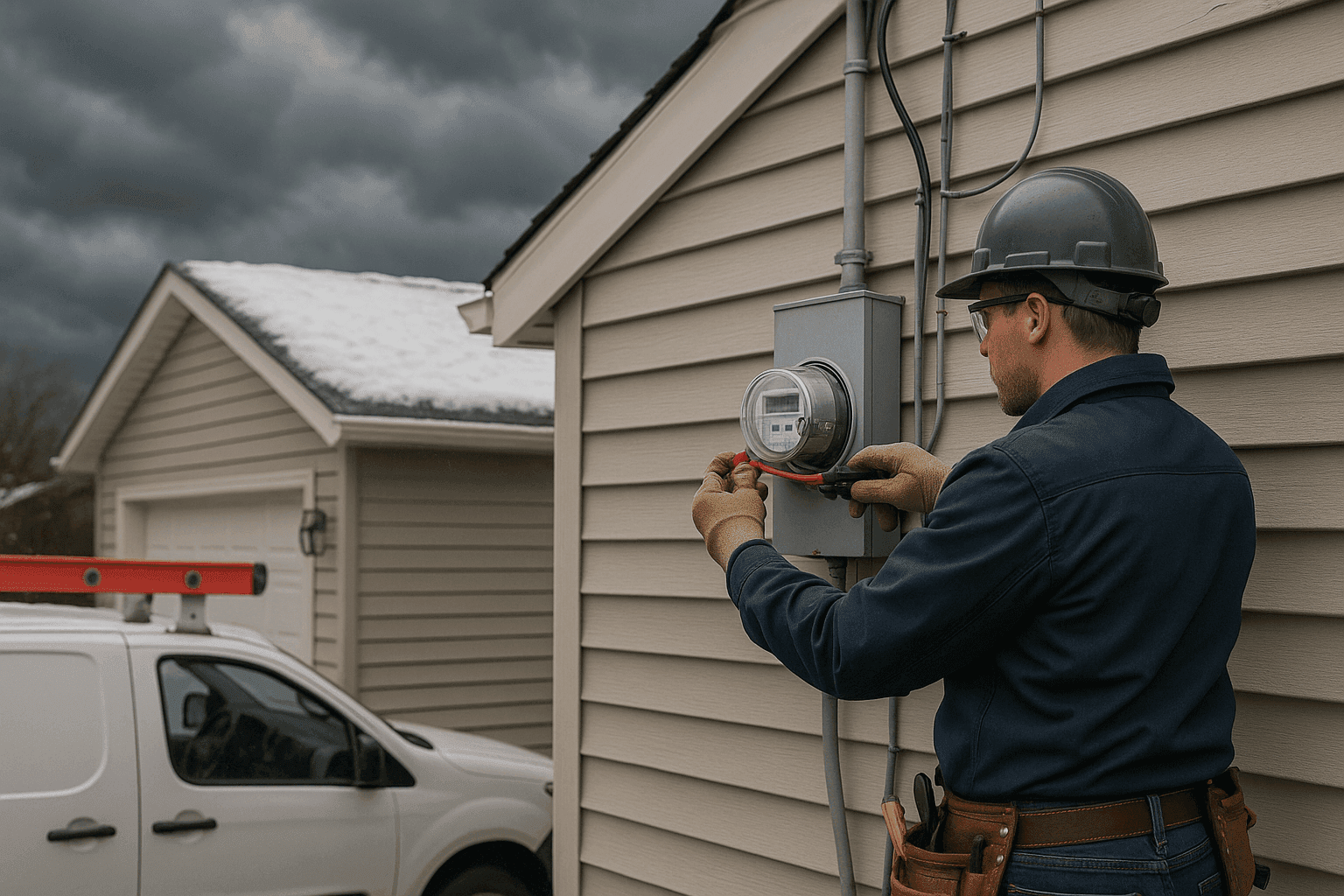
Winter storms don’t knock. They barge in—sometimes with barely a warning. When the wind howls and the snow piles up, your electrical system becomes the backbone of comfort and safety. O'Connor's Electrical has seen firsthand how simple preparation can mean the difference between a cozy night indoors and hours in the cold, waiting for help.
Whether you’re a homeowner or run a small business, now is the time to get ready. This guide walks you through practical steps to keep your lights on, your appliances running, and your loved ones safe, no matter what winter throws your way.
Why Winter Storms Threaten Your Electrical System
Picture this: ice weighs heavy on power lines, tree branches snap, and the world outside turns white and silent. Inside, you rely on electricity for heat, light, and security. But winter brings unique risks:
- Power outages: Heavy snow and ice can down lines or overload transformers.
- Electrical surges: When power returns suddenly, surges can fry sensitive electronics.
- Frozen wiring: Extreme cold can make old or exposed wires brittle, increasing the risk of shorts or fire.
- Moisture intrusion: Melting ice and snow may seep into panels, outlets, or basements, causing hidden hazards.
According to the National Fire Protection Association (NFPA), electrical failures or malfunctions are a leading cause of home fires—especially in winter, when systems are under stress.
Essential Winter Electrical Safety Checklist 📝
Before the first flake falls, run through this checklist:
- Test smoke and carbon monoxide detectors. Replace batteries if needed.
- Check your main electrical panel. Look for rust, corrosion, or loose breakers.
- Inspect outdoor outlets and extension cords. Use only weather-rated equipment.
- Unplug non-essential electronics during storms. This reduces surge risk.
- Have backup lighting ready. Flashlights and battery-powered lanterns beat candles every time.
- Know how to shut off power. Make sure everyone in your home or business knows where the main breaker is.
- Review generator safety. Never run portable generators indoors or in garages.
- Schedule a professional electrical safety inspection. Especially if your wiring is over 20 years old or you’ve had past issues.
Surge Protection: Your Shield Against Sudden Spikes
A surge is like a tidal wave for your wiring—fast, powerful, and often invisible until it’s too late. Winter storms can cause multiple surges, especially when the power flickers or is restored.
How to Protect Your Home or Business
- Install whole-house surge protectors. These devices, fitted at your main panel, act as a bouncer for your entire system.
- Use plug-in surge protectors for sensitive electronics. Look for models certified by Underwriters Laboratories (UL).
- Unplug computers, TVs, and chargers during severe storms.
- Have your surge protection inspected annually. Surge protectors wear out over time.
Backup Generators: Safe Use in Winter
Generators can be a lifeline during outages, but they come with their own risks.
Generator Safety Tips
- Never operate a generator indoors or in enclosed spaces. Carbon monoxide is deadly and invisible.
- Keep generators dry and shielded from snow or rain.
- Use heavy-duty, outdoor-rated extension cords.
- Let generators cool before refueling to prevent fires.
- Install a transfer switch. This prevents “backfeeding” electricity into the grid, which is dangerous for utility workers and your neighbors.
If you’re unsure about your generator setup or want to install a permanent standby unit, always call a licensed emergency electrician.
DIY or Call a Professional?
Some tasks are safe for DIY—like testing detectors or unplugging devices. But when it comes to wiring, panels, or anything that smells of burning or feels warm to the touch, resist the urge to tinker.
When to Call O'Connor’s Electrical
- Flickering lights, tripped breakers, or buzzing outlets
- Outlets or switches that feel hot or have scorch marks
- Water intrusion near electrical equipment
- Installing or servicing generators, panels, or surge protectors
- Any electrical issue during or after a storm
What Happens When a Pro Arrives
When you call O'Connor’s Electrical, here’s what you can expect:
- Rapid assessment: We check for immediate hazards—downed wires, water near power, burning smells.
- System testing: Using specialized tools, we test circuits, breakers, and grounding.
- Damage control: If repairs are urgent, we stabilize your system to prevent further harm.
- Clear advice: We explain what’s safe, what needs fixing, and what can wait until the storm passes.
Our team is available 24/7 for emergency electrician calls—because winter storms don’t keep office hours.
Prevention and Ongoing Maintenance 🛠️
The best fix is the one you never need. Simple habits can keep your electrical system storm-ready year after year.
- Schedule annual electrical safety inspections. Early detection is key.
- Upgrade old wiring and panels. Modern systems are safer and handle winter loads better.
- Trim trees near power lines. Prevent branches from pulling down lines in ice storms.
- Seal outdoor outlets and fixtures. Keep moisture out.
- Test ground fault circuit interrupters (GFCIs) monthly. These protect against shocks in damp areas.
The Electrical Safety Foundation International (ESFI) recommends professional inspections, especially before winter, to catch hidden problems.
Costs and Time Factors
Electrical work isn’t one-size-fits-all. Here’s what to expect:
- Inspections: Typically take 1–2 hours, depending on property size and system age.
- Minor repairs: Replacing outlets, switches, or breakers can often be done the same day.
- Major upgrades: Panel replacements, rewiring, or generator installations may take several hours to a few days.
- Emergency calls: These are prioritized, but storm conditions can affect response time.
Costs vary based on the job’s complexity and urgency. Preventive maintenance is almost always less expensive than emergency repairs.
When It’s an Emergency
Some situations just can’t wait:
- Downed wires or sparking panels
- Smoke, burning smells, or visible fire
- Complete loss of power with no known utility outage
- Flooded electrical panels or outlets
If you face any of these, get everyone to safety and call an emergency electrician immediately. Don’t try to fix it yourself.
Frequently Asked Questions
What’s the most common winter electrical issue?
Power outages top the list, often caused by ice or wind. Surges and overloaded circuits are close behind.
How often should I have my electrical system inspected?
The ESFI recommends every 3–5 years for most homes, or annually if your property is older or you’ve had past issues.
Can I use extension cords for heaters during storms?
It’s safer to plug space heaters directly into wall outlets. If you must use an extension cord, choose a heavy-duty, outdoor-rated one, and never overload it.
Is it safe to use a portable generator in the garage with the door open?
No. Even with the door open, carbon monoxide can build up quickly. Always run generators outdoors, well away from windows and doors.
Special Considerations for Winter Electrical Prep ❄️
- Older homes and businesses: Outdated wiring is more likely to fail under cold stress.
- Pools, spas, and outdoor equipment: Shut down and winterize to prevent freeze damage and electrical shorts.
- EV chargers: Ensure your charging setup is protected from ice and snow.
- Home automation: Have battery backups for smart devices that control heat, lights, or security.
- Medical devices: If someone relies on powered medical equipment, a backup generator isn’t a luxury—it’s a necessity.
Winter storms are unpredictable, but your response doesn’t have to be. O'Connor’s Electrical is here to help you prepare, respond, and recover—day or night.
Call O'Connor's Electrical now — or reach us anytime at 844-484-2612 .